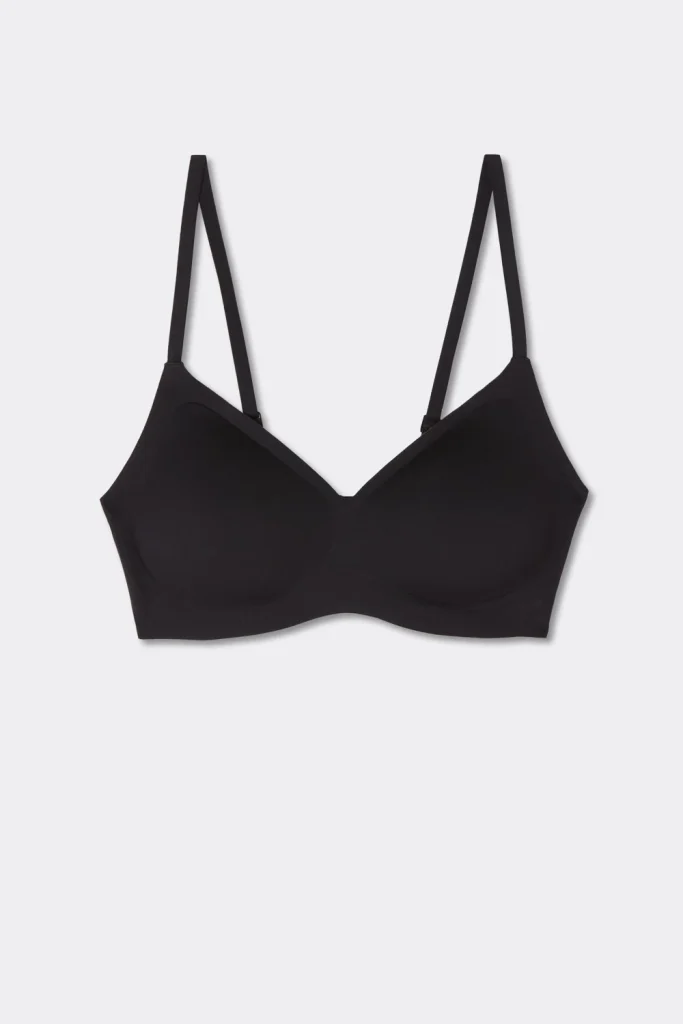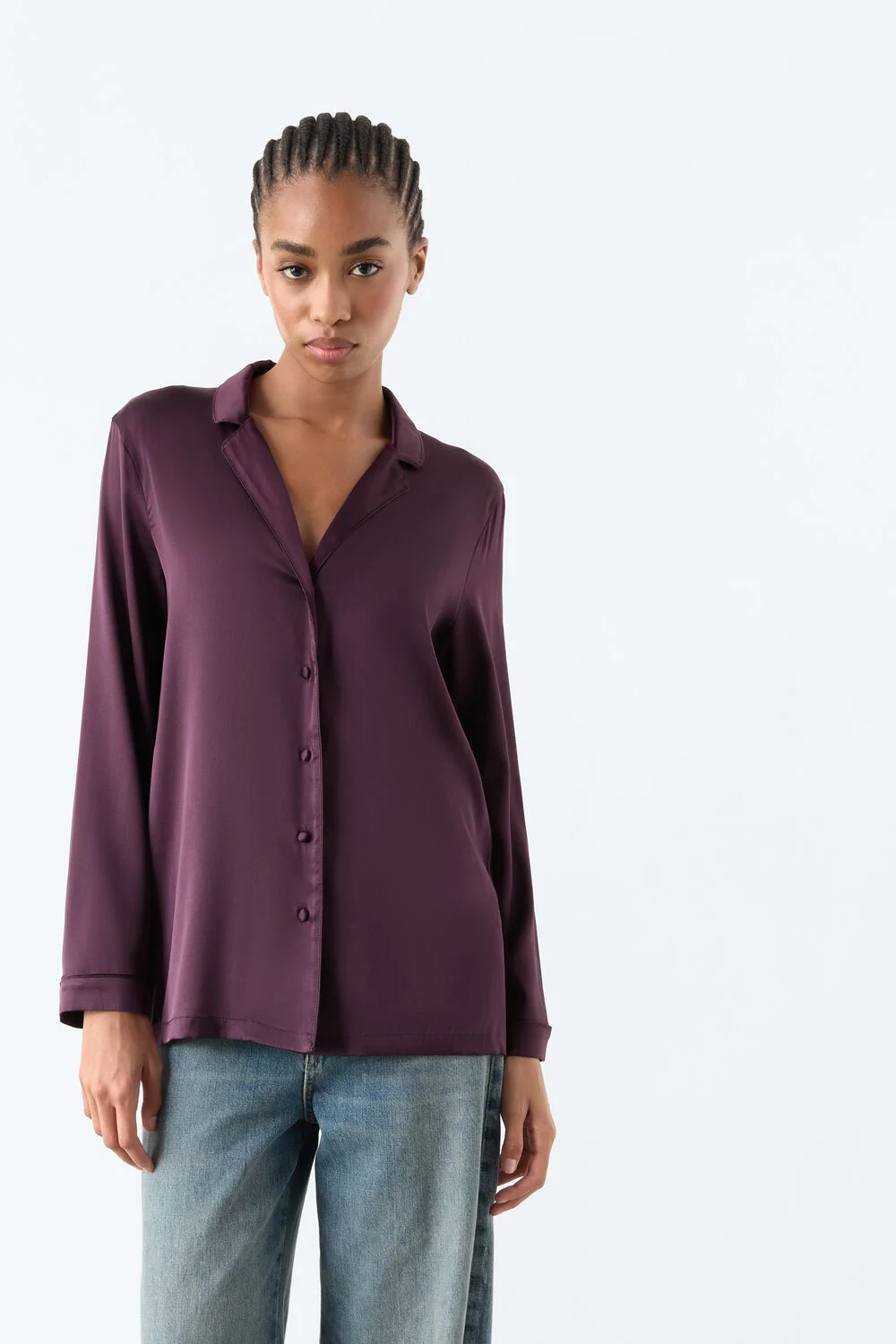
A label-led lingerie routine that protects elastic, moulded cups and delicate surfaces without inventing one rule for every fabric.
Start with the sewn label
The official care guide explains a range of symbols, not permission to use every method on every garment. Read the washing, drying, ironing and professional-care instructions together. A cotton panel does not override a restriction needed by elastic, lace or padding. When a symbol is unclear, verify it before choosing a machine programme.
Sort by colour and construction
Separate light and dark pieces and keep delicate lingerie away from abrasive zips or rough fasteners. Look for loose seams or an exposed wire before laundering. A damaged bra needs attention before another wash. Do not assume an apparently similar garment has the same care limits, even when both are described as microfibre or cotton.
Prepare a permitted machine wash
The brand guide recommends using a washing bag to reduce snagging and protect wires. Follow the individual temperature limit and use an appropriate mild detergent. A bag is not a substitute for the correct programme and does not make a hand-wash-only item machine washable. Avoid overloading it with tightly packed cups.
Handle hand washing gently
If the label calls for hand washing, use the specified water temperature and avoid scrubbing delicate edges together. Do not twist or wring cups, lace or elastic to remove water. Rinse carefully and press out excess moisture gently. Avoid improvised bleach or stain mixtures; a strong treatment can affect trims differently from the main fabric.
Dry in the stated position
Check whether the label calls for line drying or drying flat. Reshape softly and allow the garment to dry fully before putting it away. Do not use a tumble dryer when prohibited. Laila and Eri specifically list line drying and no ironing; those instructions belong to those products rather than all garments in the drawer.
Store without crushing the structure
Place moulded cups so they retain their form instead of forcibly turning one cup inside the other. Keep hooks closed and lace clear of jewellery or rough drawer edges. Let everything dry completely to avoid damp storage. Inspect elastic recovery and wire channels regularly, and replace a garment when deterioration makes it uncomfortable or unreliable.
Sources & further information
Independent editorial. Check product details and care instructions with the original source.