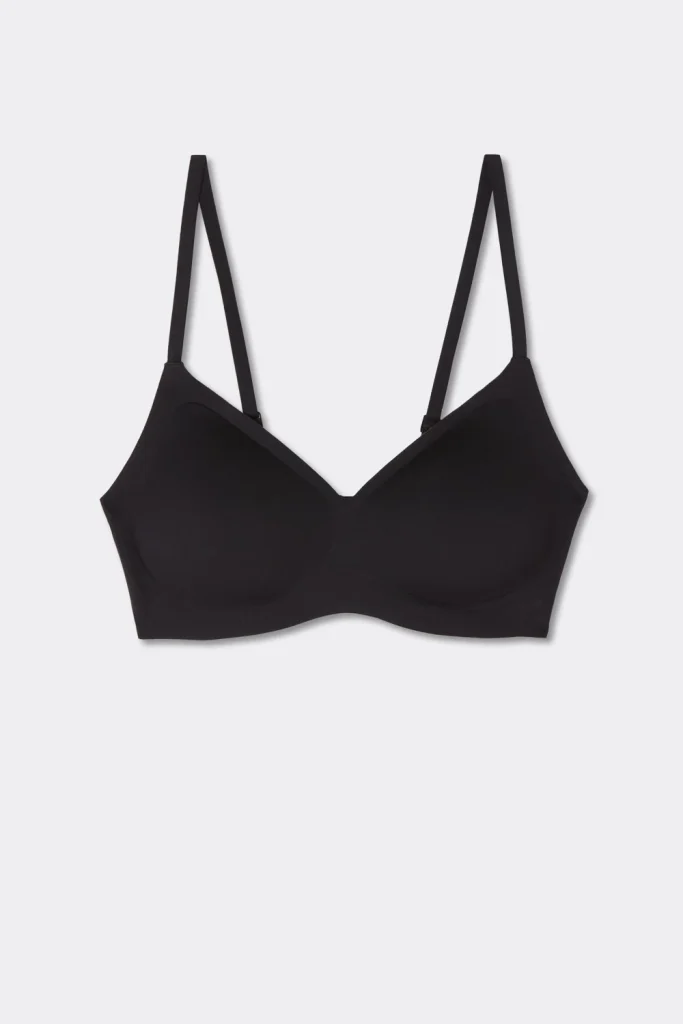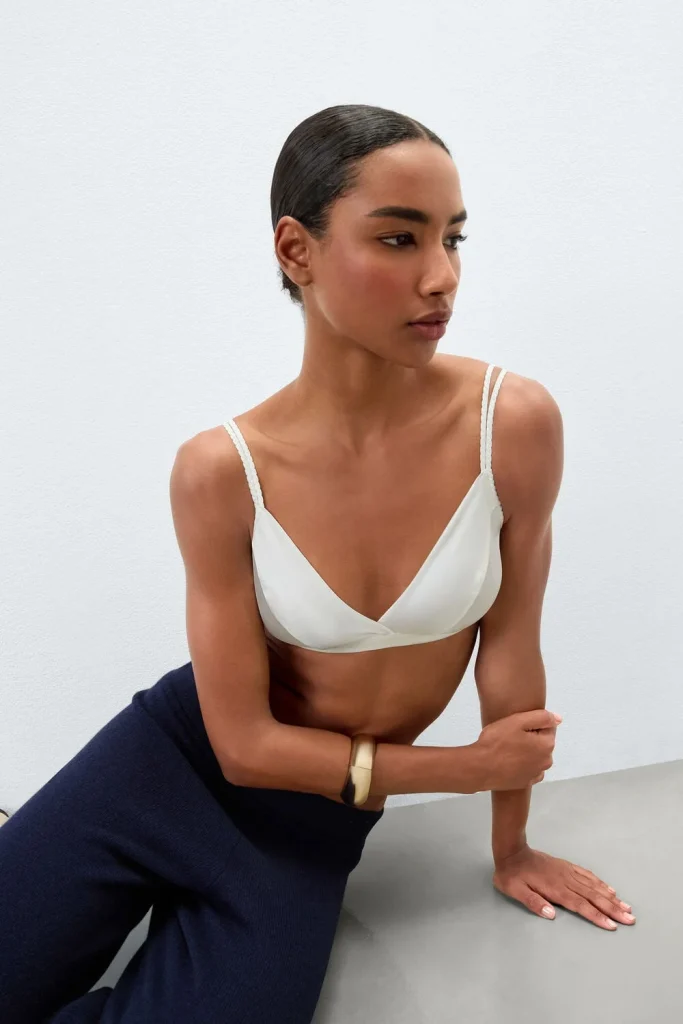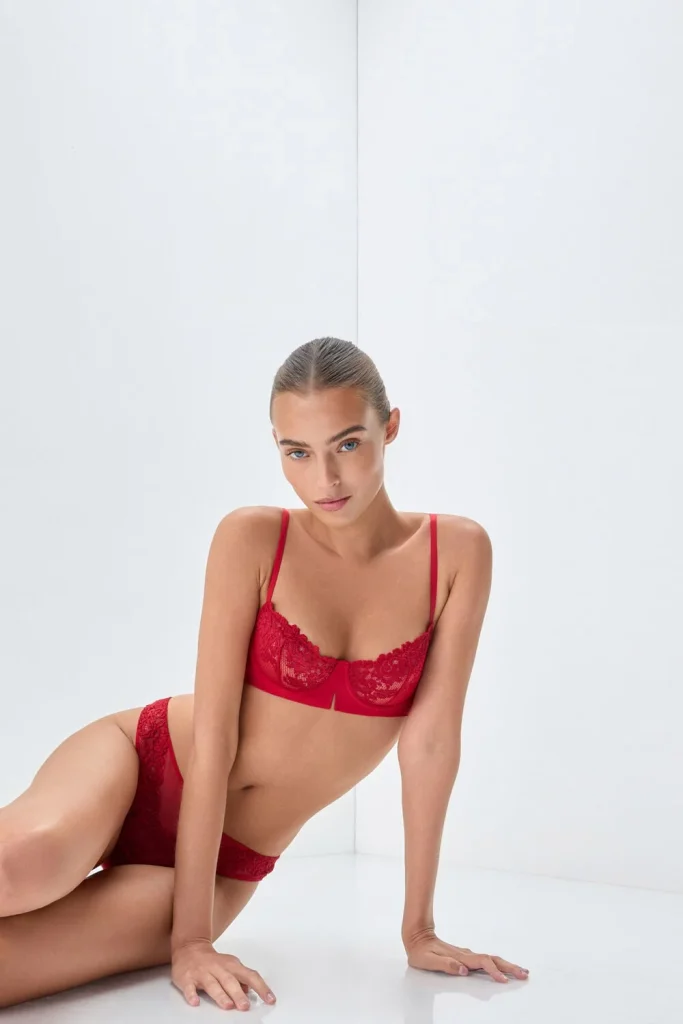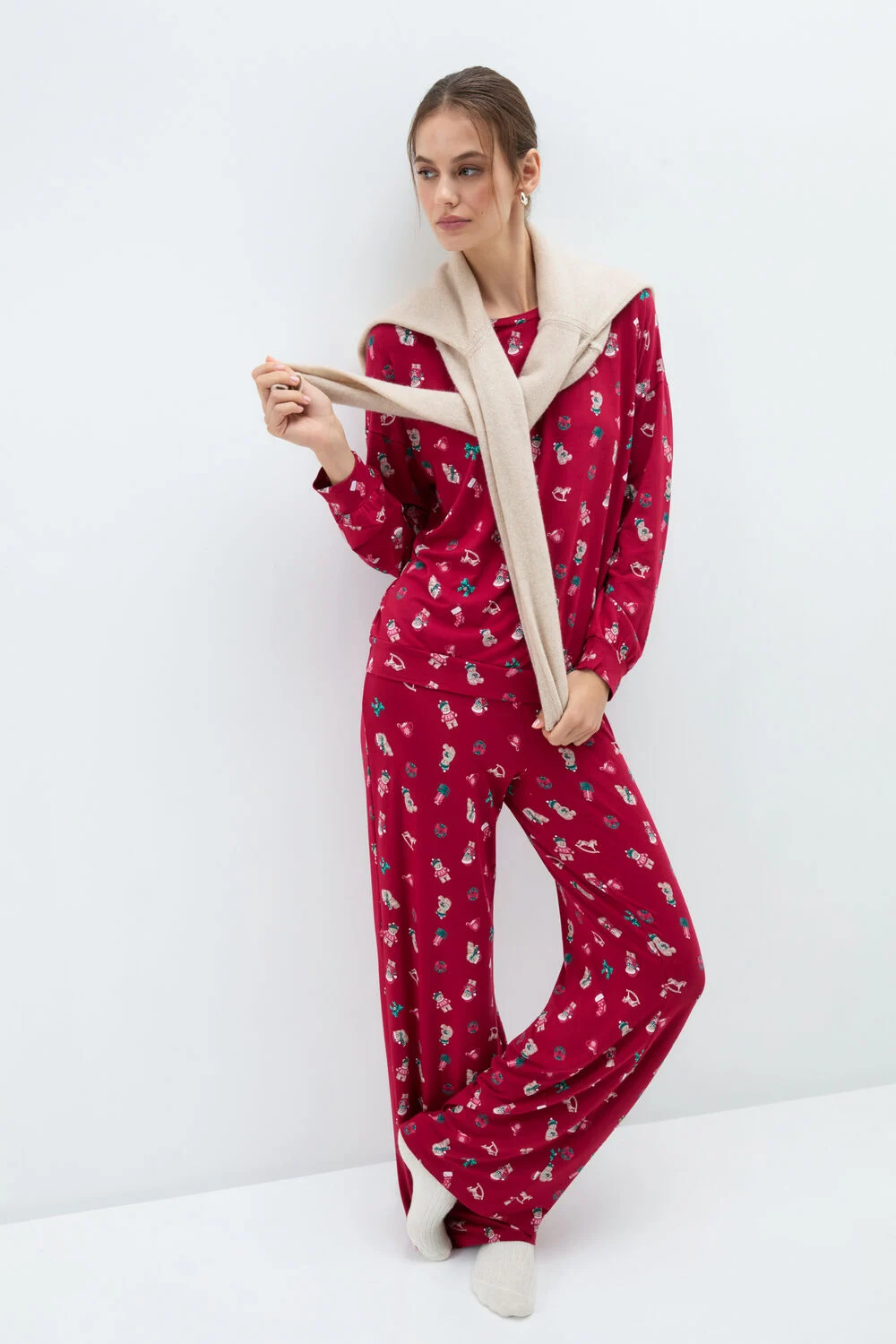
A considered approach to layers, proportions and practical details for a small wardrobe at home.
Begin with your routine
Loungewear can cover quiet mornings, working at a desk and an evening on the sofa. These activities need different freedom of movement from a posed photograph. The official nightwear range includes short and long pyjamas, robes and separates. Choose the activities first, then select pieces rather than buying a set solely for its coordinated appearance.
Use fabric and weight together
Cotton, modal and silk appear across the range, but a fibre name alone does not tell you the thickness or warmth of a particular garment. Consider room temperature, layering and whether you tend to feel warm. Compare the actual fabric description and construction. No single material can promise identical comfort in every home or season.
Check comfort while sitting
Sit in the trousers before deciding on the waist and rise. Look for pulling at the seat, pressure from seams and cuffs that catch when the knee bends. With tops, reach forward as if typing and raise your arms. A garment should accommodate these ordinary movements without needing to be repositioned every few minutes.
Let proportions support layering
A slim camisole may sit neatly beneath a cardigan, while a roomy sleeve can bunch inside a robe. Check the layers together rather than judging each separately. Choose a hem length that works when seated and a trouser length that clears the floor. Consider whether ties or long sleeves interfere with everyday household tasks.
Inspect the useful details
Check whether pockets exist, how a waistband adjusts and whether fastenings feel comfortable against the skin. These details cannot be inferred from the word loungewear. Read the listing and photographs carefully. If you plan to step outside, test coverage in daylight and choose suitable outer layers rather than assuming every pyjama is designed for public wear.
Keep the wardrobe manageable
Select colours and shapes that work across two or three combinations. Read care labels before mixing fabrics in the same wash, and allow pieces to dry fully before folding. A small rotation is easier to maintain when its items share a practical routine. Replace stretched waistbands or damaged seams when adjustment no longer restores a comfortable fit.
Sources & further information
Independent editorial. Check product details and care instructions with the original source.