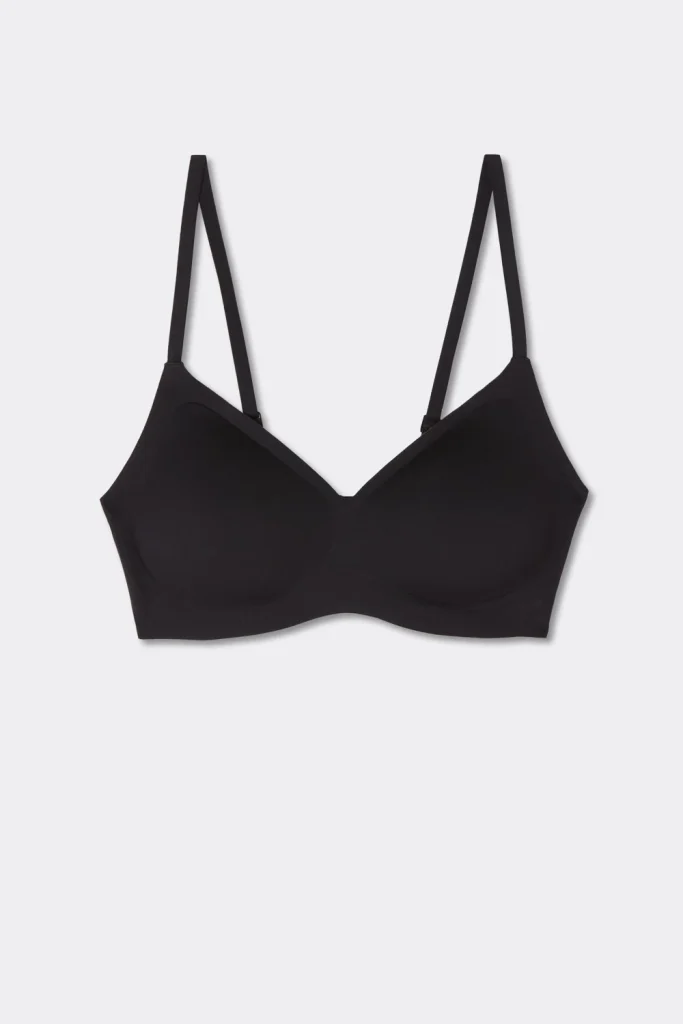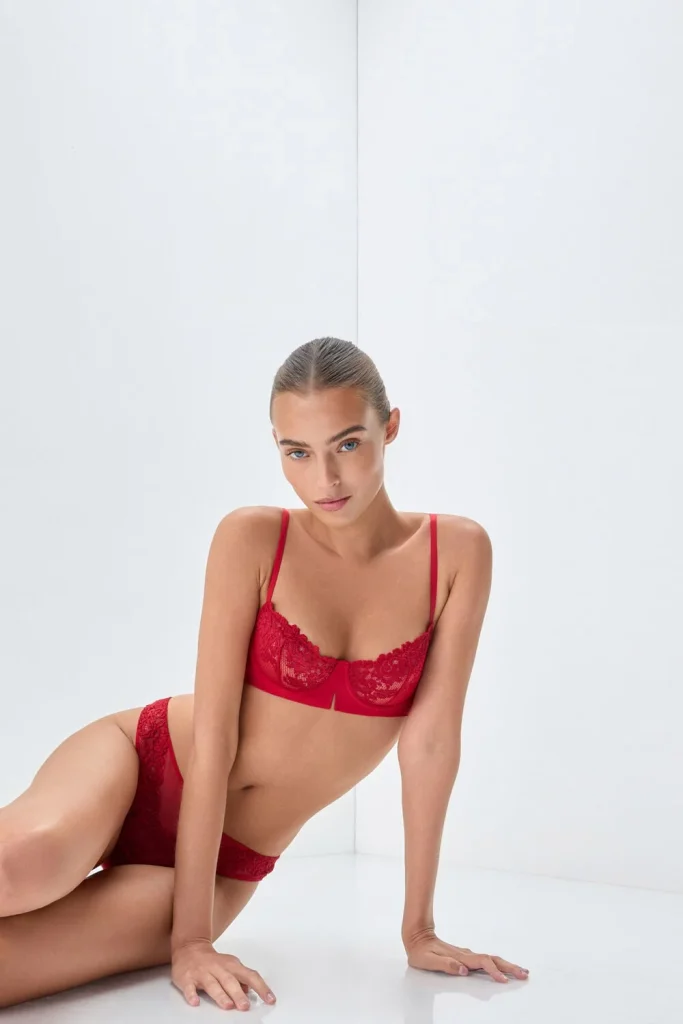
From camisoles to long pyjamas, a guide to fabric labels, ease and a care routine you can realistically maintain.
Read silk and satin separately
Silk is a fibre; satin describes a smooth-faced fabric construction and can use different fibres. Do not assume a glossy nightdress is silk or that all silk feels identical. The official silk collection includes several garment types, so inspect the individual composition, trims and care entry before comparing two similar-looking pieces.
Choose a shape around your evenings
A camisole and shorts, long button-through pyjamas and a slip allow different movement and coverage. Think about sitting, reading and sleeping rather than the product photograph alone. Adjustable straps can refine a neckline but cannot fix a narrow hip or short torso. Look for dimensions or ask for clarification when the listing is incomplete.
Leave room where the body bends
Test reaching forward, sitting and turning. Shoulder seams, armholes and the seat should not pull simply because the standing outline looks neat. A fitted appearance and comfortable sleeping ease are different priorities. Use the brand chart as a starting point, then check the actual cut rather than assuming a larger size solves every pressure point.
Treat lace and buttons as part of fit
A lace neckline can have a different stretch from the main fabric; a row of buttons can open when the chest is under tension. Inspect these areas in movement and under ordinary lighting. If coverage matters, check opacity and panel placement. Photographic styling does not establish how a garment will sit on your proportions.
Plan the laundry before buying
Read the sewn care label rather than assigning a universal silk washing method. Some pieces require particular washing or professional care; decorations may impose additional limits. Consider whether that routine fits your household. Avoid untested stain treatments and check iron permissions carefully: a smooth-looking fabric is not permission to use a hot iron.
Build around a piece you will wear
Start with the garment type you reach for most often, then add a robe or coordinating separate if it has a real purpose. Keep dry nightwear away from rough zips and damp storage. Silk is not a guarantee of better sleep or a fixed temperature benefit; judge the complete garment and your own room conditions.
Sources & further information
Independent editorial. Check product details and care instructions with the original source.